Emergency Plumbing & Boiler Repair · Fulham, London
Leak Detection & Repair in Fulham
The loudest leaks are the easy ones. The expensive ones are quiet: a drip inside a floor void that has been soaking a joist since spring, a damp patch that appears and fades with the weather, a water bill that creeps up with no change in how many people live in the house. Emergency Plumber Fulham answers on 07898 117754 and sends a partner plumber who traces the leak to the joint before anyone starts opening walls.
Tracing a concealed leak is an elimination exercise. First, isolate: close the main stopcock, and if the meter still moves, the leak is on the supply side. Then narrow: shut each branch valve in turn, listen with an acoustic microphone, scan with a thermal camera for a heating-pipe leak, and test the heating circuit's pressure over a few hours. The aim is to cut one hole in the right place rather than five in the wrong ones.
Fulham houses make that harder. The Victorian terraces of SW6 and W14 have timber floors with pipework running between joists, lead or early copper supply pipes that were never replaced, and bathrooms added later above ceilings that were never meant to take a leak. In converted flats a stain in your ceiling may begin in the flat above, so tracing it also means knowing whose pipe it is. Thames Water's hard supply, 266 mg/l calcium carbonate in its 2025 report, scales fittings and weakens joints over time.
A partner plumber does the tracing and quotes the repair in writing before any work begins. We handle no payment and text you the company's name before they arrive. For an active flood go straight to emergency plumbing page; for a pipe that has split, see burst pipe page.
What We Do
Where Fulham Leaks Hide, and How They Get Found
Leaks tend to start in the same few places, and the method for finding each one is different.
Behind Walls, Under Floors and Above Ceilings
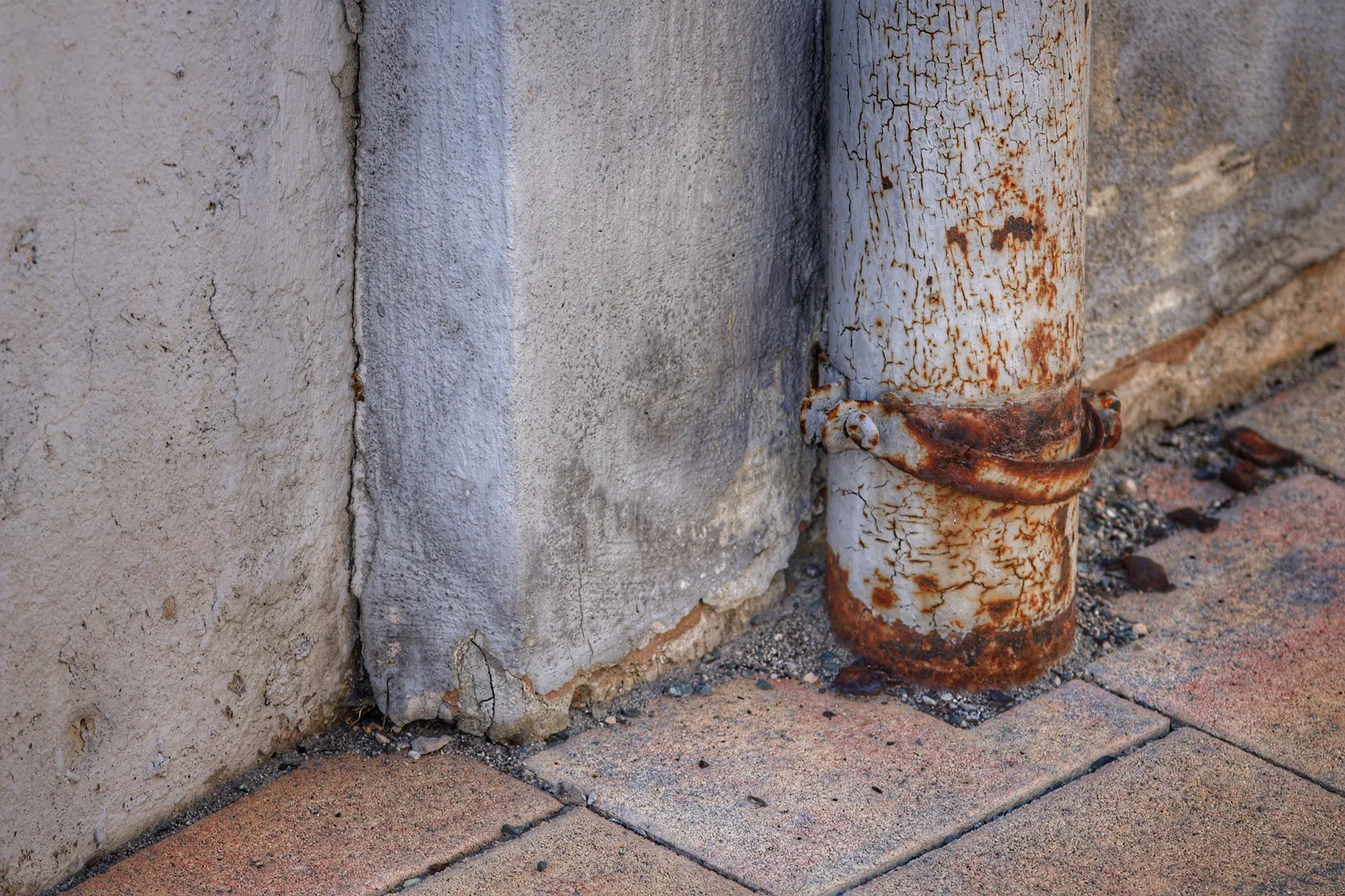
A damp patch rarely sits directly beneath the leak, because water travels along joists and pipes before it shows. Acoustic listening, moisture meters and thermal imaging help the partner pinpoint the source, so a floorboard is lifted or a small section of plaster opened exactly where it needs to be. That keeps the repair small and the redecoration bill smaller.
Heating Circuit Leaks and Boilers That Keep Dropping Pressure
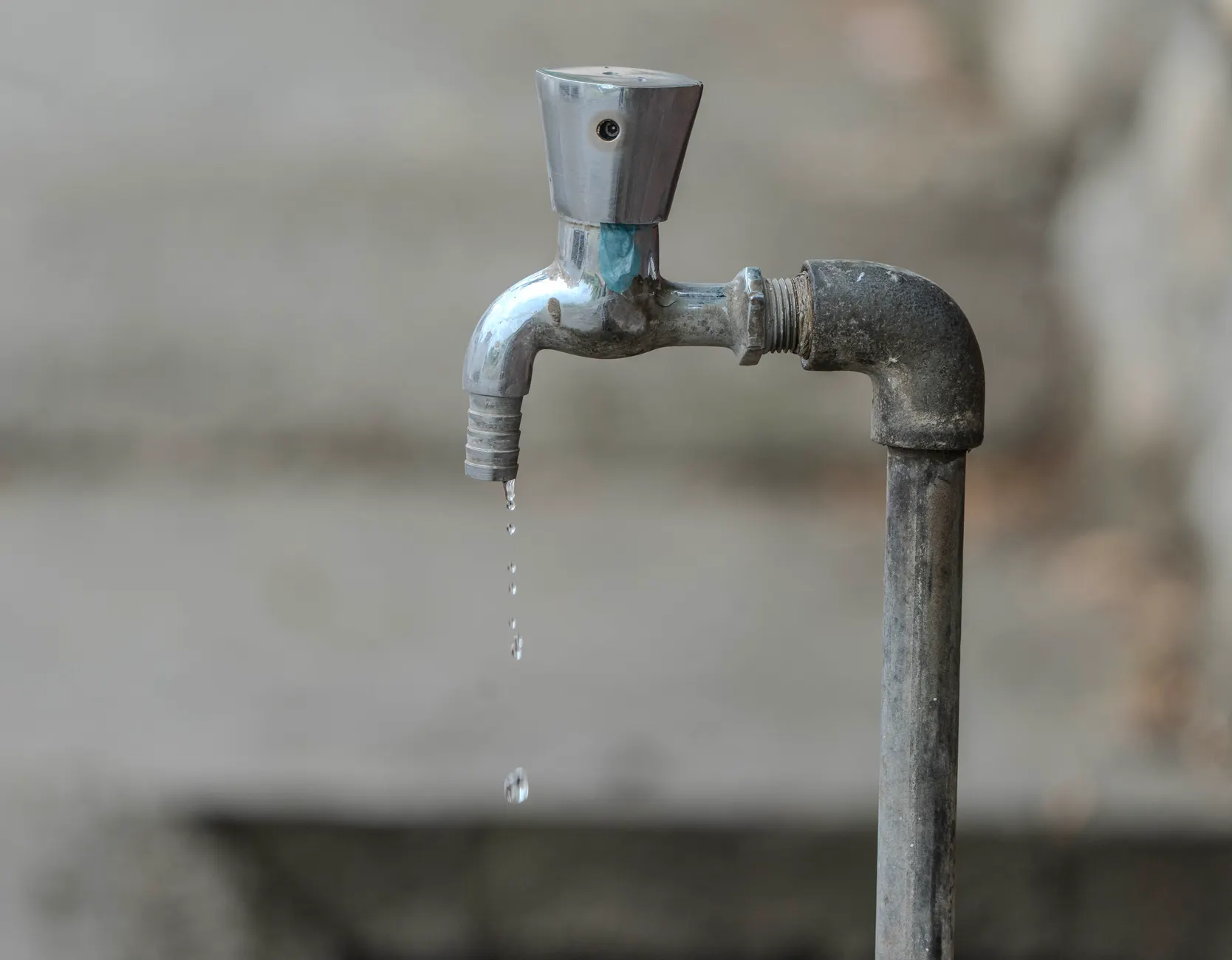
If your boiler needs topping up every few days, water is leaving a sealed system somewhere: a radiator valve, a buried joint under a floor, a pump seal or a pressure relief discharge. The partner pressure-tests sections of the circuit and uses thermal imaging to spot a hot patch under floorboards, then repairs the joint or the valve and re-pressurises the system.
Meter Running When Nothing Is On
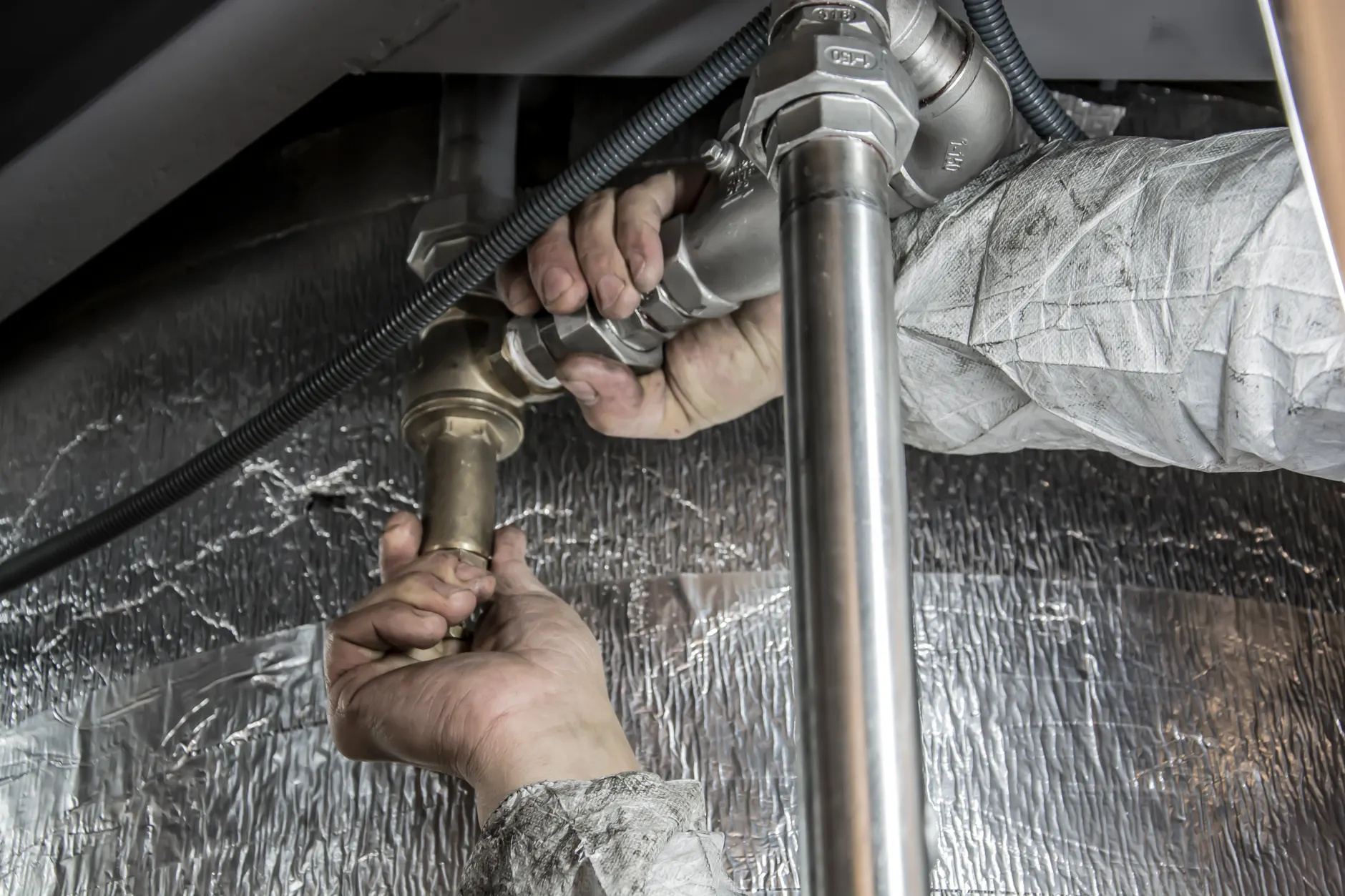
With every tap shut and the toilets not running, a water meter that still turns is the clearest sign of a supply leak, which could be inside the house or on the underground pipe from the boundary to the stopcock. The partner can tell which by testing at the stopcock, and if the fault is outside, it may be your responsibility to repair that pipe, or Thames Water's up to the boundary.
The Benefits
Why Tracing First Saves Money
A leak repaired in the wrong place is a leak repaired twice.
Smaller Holes, Smaller Bills
A partner who traces first cuts one inspection hole in the right place, instead of chasing a pipe along a wall. In a Fulham terrace with original lath-and-plaster ceilings and decorated cornices, that can mean the difference between a patch and a re-plaster. The written quote will show the repair and the making-good separately.
Right Repair for the Pipe
A split in copper may need a compression or soldered coupling, a corroded galvanised section may be best replaced, and a lead pipe deserves a conversation about replacing it altogether. The partner explains the options, with prices, before touching anything, and works to the Water Supply (Water Fittings) Regulations 1999.
Evidence for Landlords, Neighbours and Insurers
A dated written report of where the leak was and what caused it is useful when a neighbour disputes the source, a managing agent needs to be told, or you make a claim on your insurance. Ask the partner for photographs of the failed joint and a short written note with their quote.
Why Us
Leak Calls in Flats, Terraces and Mansion Blocks
The building type decides who needs to be told and how the work is planned.
Flat Above, Flat Below
In West Kensington's 1890s mansion blocks and converted terraces, a ceiling stain often starts in someone else's flat. The partner can tell you how to identify the source without entering a neighbour's home, and what to say to the managing agent. Our West Kensington mansion blocks describes the local building types in more detail.
Lead Pipes Still Lurking
Properties built before the mid-twentieth century can still have lead service pipes, and a leak is a good moment to ask about them. The partner can identify the material and quote replacing a failing section in copper or plastic, which also helps with water quality and with future leaks.
Lower-Ground and Basement Flats
Where damp appears in a basement, it may be a plumbing leak, a failed drain, groundwater or sewer back-up. The partner can rule plumbing in or out, and if it is a drain, blocked drains page explains how that is handled. That avoids paying a plumber to chase a leak that is not a plumbing leak.
Spotting a Leak Early
Reading Your Water Meter
If you have a meter, note the reading at night and again in the morning with nothing running. A difference means water is escaping. Many Fulham flats are not metered individually, in which case a sudden bill rise or a damp patch is the clue. Catching a slow leak early often turns a repair into a small job instead of a ceiling replacement.
Heating Leaks, Corrosion and Stains
A rust-coloured stain under a radiator, a damp patch on a plaster wall behind a heating pipe or a boiler that needs topping up are all signs of a heating leak. Corrosion on valves and joints is often the starting point, and in hard-water Fulham scale can hide a weep until it becomes a drip. The partner can pressure-test the system and replace the failing part.
If the leak turns out to be a burst, go to repairing burst pipes; if it is a heating pressure fault, see central heating faults. The Fulham plumbing page and the plumbing services cover everything else, or call 07898 117754.
Frequently Asked Questions
How do plumbers find a hidden leak without ripping up the floor?
Modern tracing combines several non-invasive methods. An acoustic listening device picks up the sound of escaping water in pipes, a moisture meter maps damp in walls and floors, a thermal imaging camera shows warm patches from a leaking heating pipe, and pressure tests isolate which section of a circuit is losing water. The partner then opens the floor or wall only at the point the evidence indicates. That keeps the damage to a small, tidy hole rather than a trench.
My water meter keeps turning when everything is off. What does that mean?
With every tap closed and no appliance running, a moving meter indicates a leak somewhere between the meter and your fittings. It may be inside the house, under a floor or in the underground supply pipe from the boundary. Closing the stopcock and watching the meter will tell you whether the leak is before or after it. The partner can pinpoint which section, and tell you whether Thames Water or you are responsible for repairing it.
How can I tell whether a damp patch is a leak or condensation?
A leak tends to produce a patch that stays or grows regardless of the weather, may feel cold and wet to the touch, and may discolour plaster with a brown tide-mark. Condensation shows as water droplets and black mould in cold corners, worse in winter and in poorly ventilated rooms. If the patch is under a bathroom, radiator or kitchen, or appears after you have used water, a leak is likelier. A partner can test with a moisture meter.
Who is responsible if a leak from my flat damages the flat below?
Generally, whoever's pipe or fitting caused the leak is responsible for repairing it and may be liable for damage, but responsibility depends on your lease and the cause. If the leak is from a shared pipe or from the building's structure, the freeholder or managing agent may be responsible. Tell your managing agent promptly, take dated photographs, stop the leak where you can, and notify your own insurer. A partner plumber's written note on the cause can be very useful.
Are old lead pipes still a problem in Fulham?
They can be. Houses built before the middle of the twentieth century, which includes most of Fulham's Victorian stock, may still have lead supply pipes, particularly where the plumbing has never been fully renewed. Lead pipes are prone to developing leaks at joints and are generally recommended for replacement, which a partner can quote. If you are concerned about water quality, Thames Water can advise on testing, and replacing the lead run with copper or plastic is the permanent answer.
How much does leak detection cost in London in 2026?
There is no single price because it depends on access and method, but published 2026 London call-out fees run from about £80 to £150 in the daytime, with hourly rates of £60 to £80 after the first hour. A concealed burst pipe behind a wall typically totals £300 to £600 including repair, whereas an accessible leaking joint is about £150 to £300. The partner will give you a written quote after the diagnosis, and you should compare it with those ranges.
Will the plumber have to cut into my walls or floors?
Only if necessary, and only after the leak has been located as accurately as possible. In many cases a section of floorboard can be lifted and replaced, or a small inspection hole made in a plasterboard wall and filled afterwards. In a plaster-and-lath Victorian ceiling, the partner will try to limit the opening. Making good, such as re-plastering and decorating, is normally quoted separately, so ask what the quote includes.
Can a dripping radiator valve or small leak wait until morning?
A slow drip into a bowl is usually fine to leave until daytime, as long as you check the bowl regularly and keep the area away from electrics. A leak that is getting worse, running into a ceiling, or near sockets and light fittings is not. If the leak is from a heating pipe, turn the boiler off and shut the nearest isolation valve. We will tell you on the call whether it can wait.
What can cause pressure loss on a boiler that has no visible leak?
The usual suspects are a buried joint under a floor, a leaking pump seal, a weeping radiator valve that evaporates quickly, a pressure relief valve that is discharging through an external pipe, or an expansion vessel that has lost its air charge. Because the water may leave slowly or out of sight, a pressure test and thermal imaging are used to find it. Topping up repeatedly without finding the leak risks corrosion and a more serious failure.
Do you cover leaks in Sands End, West Brompton and West Kensington?
Yes. We cover Fulham, Parsons Green, West Kensington, West Brompton, Sands End and Imperial Wharf, and each has different building types and problems. Riverside apartments at Imperial Wharf have modern pressurised systems, while the older streets have Victorian pipework. Give us your postcode and whether you are in a house or flat, and we will send a partner who has the right experience.

Find the Leak Before It Finds the Ceiling
Partner plumber, tracing first, written quote before repair. Call 07898 117754.
07898 117754