Emergency Plumbing & Boiler Repair · Fulham, London
Central Heating Repair in Fulham
The boiler is only the start of a heating system. Behind it sit a pump, motorised valves, a run of pipework, a dozen radiators and a thermostat, and when one of them misbehaves the house stays cold. Emergency Plumber Fulham takes calls about all of it on 07898 117754, at any hour, and sends a partner heating company that deals with the whole circuit, not just the boiler.
Cold radiators are the most common complaint, and they tell a story. A radiator that is hot at the bottom and cold at the top has trapped air and needs bleeding. One that is hot at the top and cold at the bottom has sludge settled in the base. One that is cold all over may have a stuck valve or a pump that is not moving water. Radiators that heat unevenly through the house point to an unbalanced system. Knowing which, before the visit, speeds the repair.
Fulham's Victorian terraces make heating systems layered and patched. Radiators added in the 1960s, a loft conversion in the 1990s and a rear extension from the 2010s may all hang off one boiler, with a mix of microbore and standard pipe. Thames Water's hard supply, 266 mg/l calcium carbonate in its 2025 City-zone report, scales the boiler's heat exchanger, and every top-up after a leak brings in fresh scale-forming water and oxygen. In mansion blocks, some flats are on communal heating and others on individual boilers.
The partner quotes in writing before work begins, invoices you directly and takes payment itself. We handle no money and text you the company's name before they arrive. If the fault is the boiler itself, see boiler fault repair; if the system needs a clean, the partner will explain the options in the quote, and the all plumbing services shows what else we arrange.
What We Do
Heating Faults, From Radiators Outward
Each symptom points to a different part of the system, and the repair follows from the diagnosis.
Cold Spots, Trapped Air and Sludge in Radiators
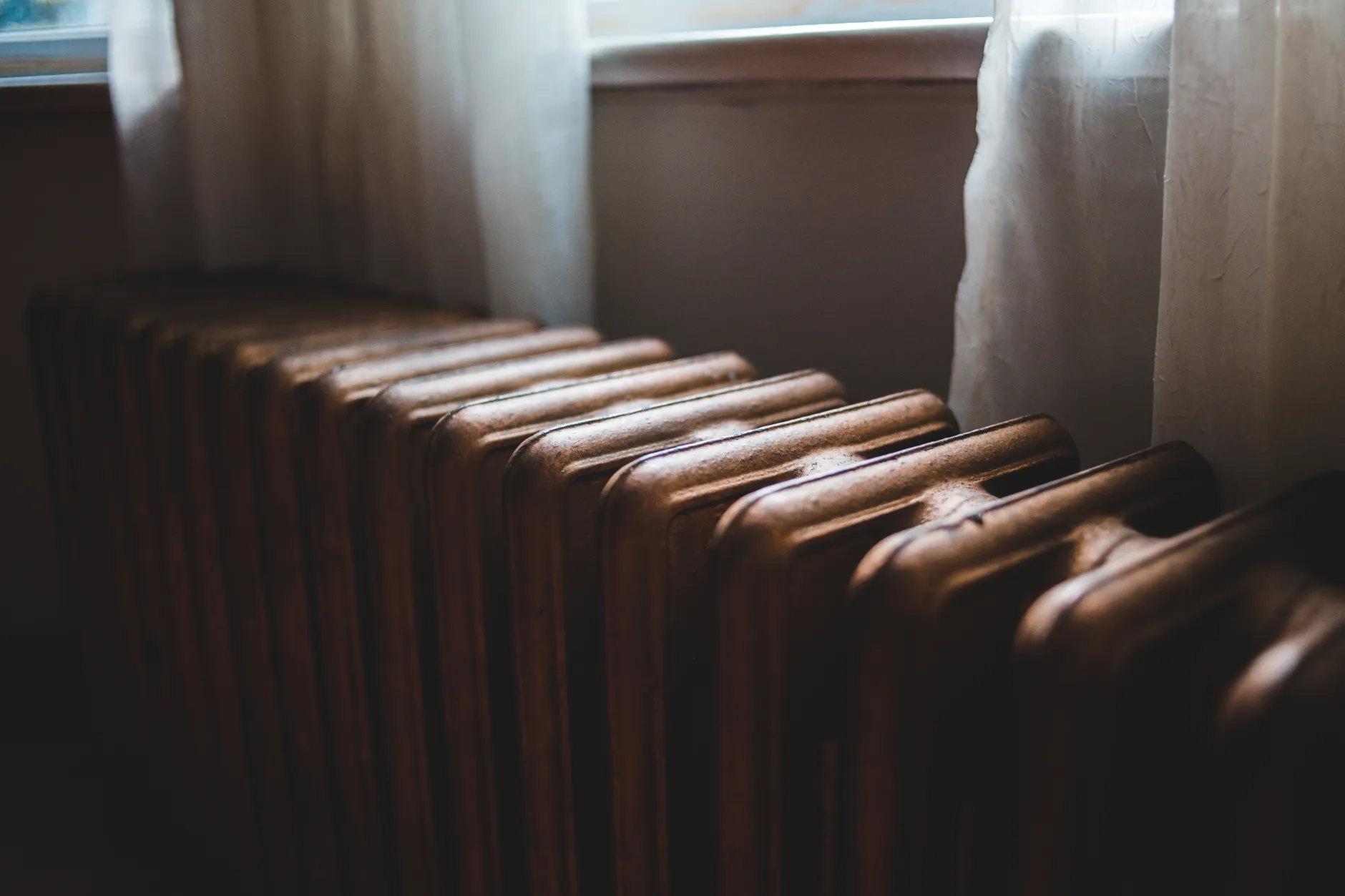
Bleeding a radiator releases trapped air, but if cold areas return quickly, the cause is deeper: black iron oxide sludge settled at the bottom or a failing system pump. A partner can bleed, balance and isolate individual radiators, and recommend a chemical clean or full power flush where the circuit is clogged. They test the system water first, so you are not sold a flush the system does not need.
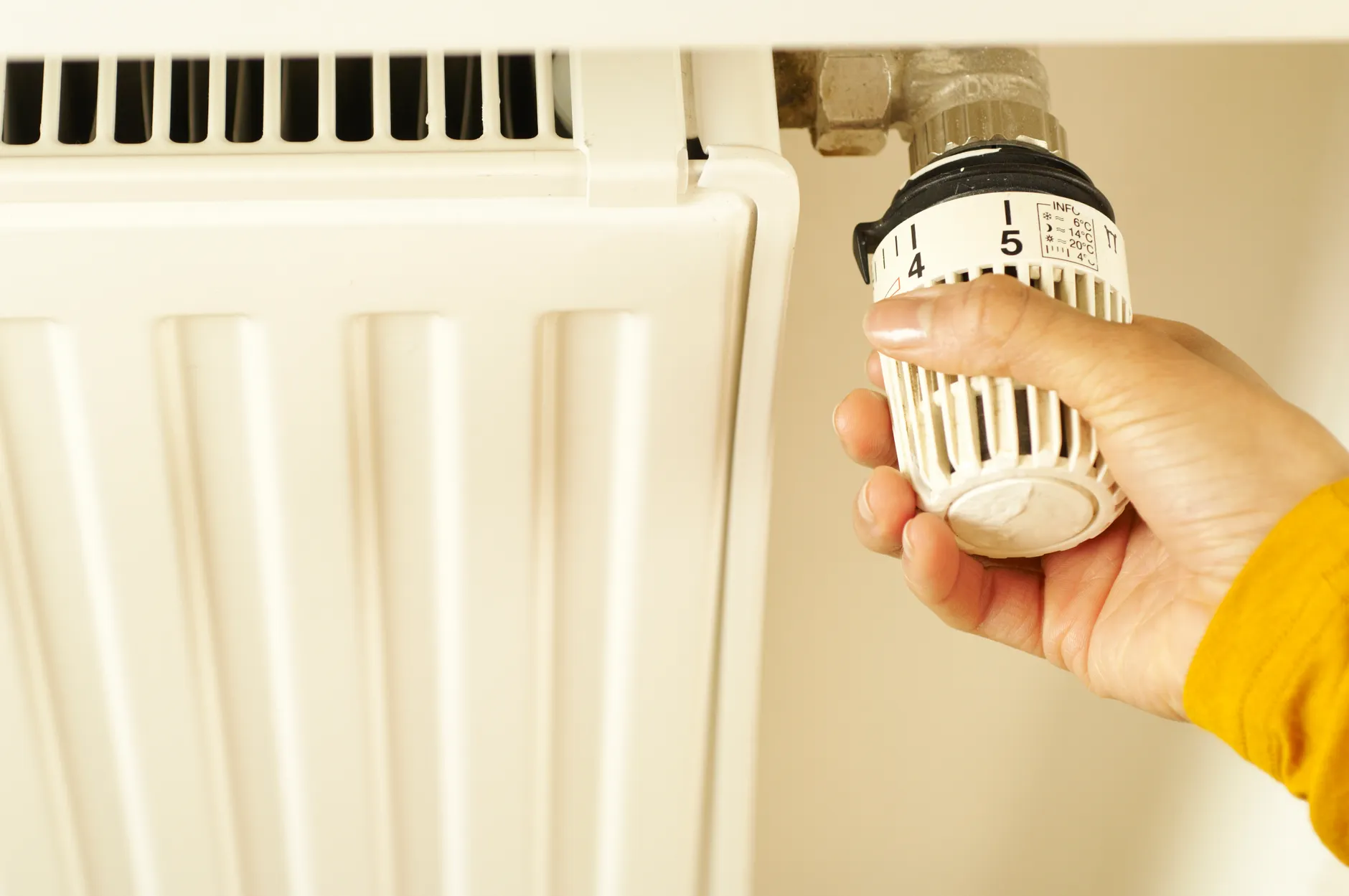
Stuck Valves, Leaking Valves and Thermostatic Heads
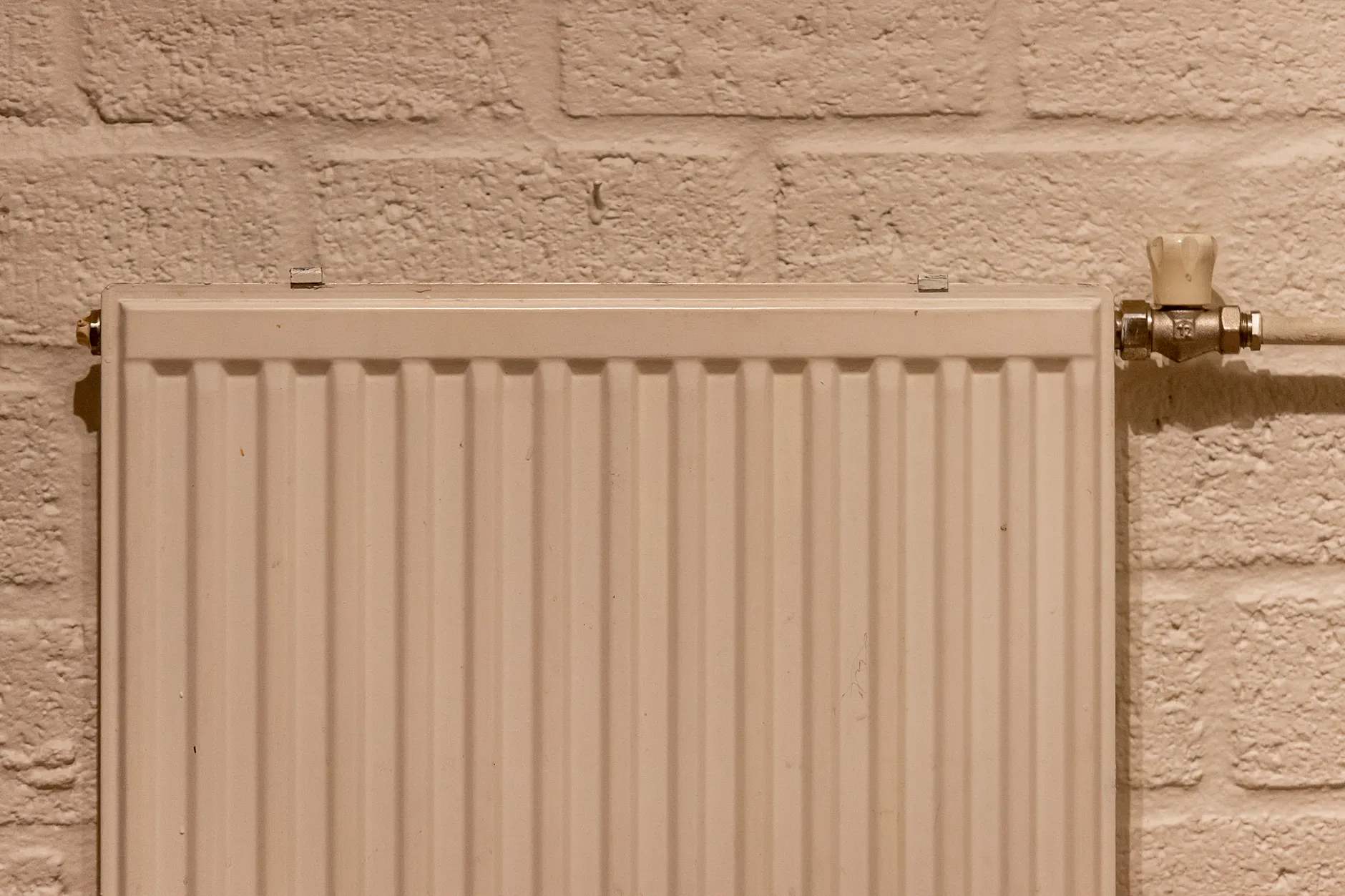
Thermostatic radiator valves seize in the summer and then fail to open in autumn, and old lockshield valves weep at the gland. Replacing a valve usually means draining part of the system, which is why a plumber with the right tools turns a one-hour job into a tidy one. Published 2026 London ranges put a leaking radiator valve at about £100 to £200.
Pumps, Zone Valves and Controls That Stop Working
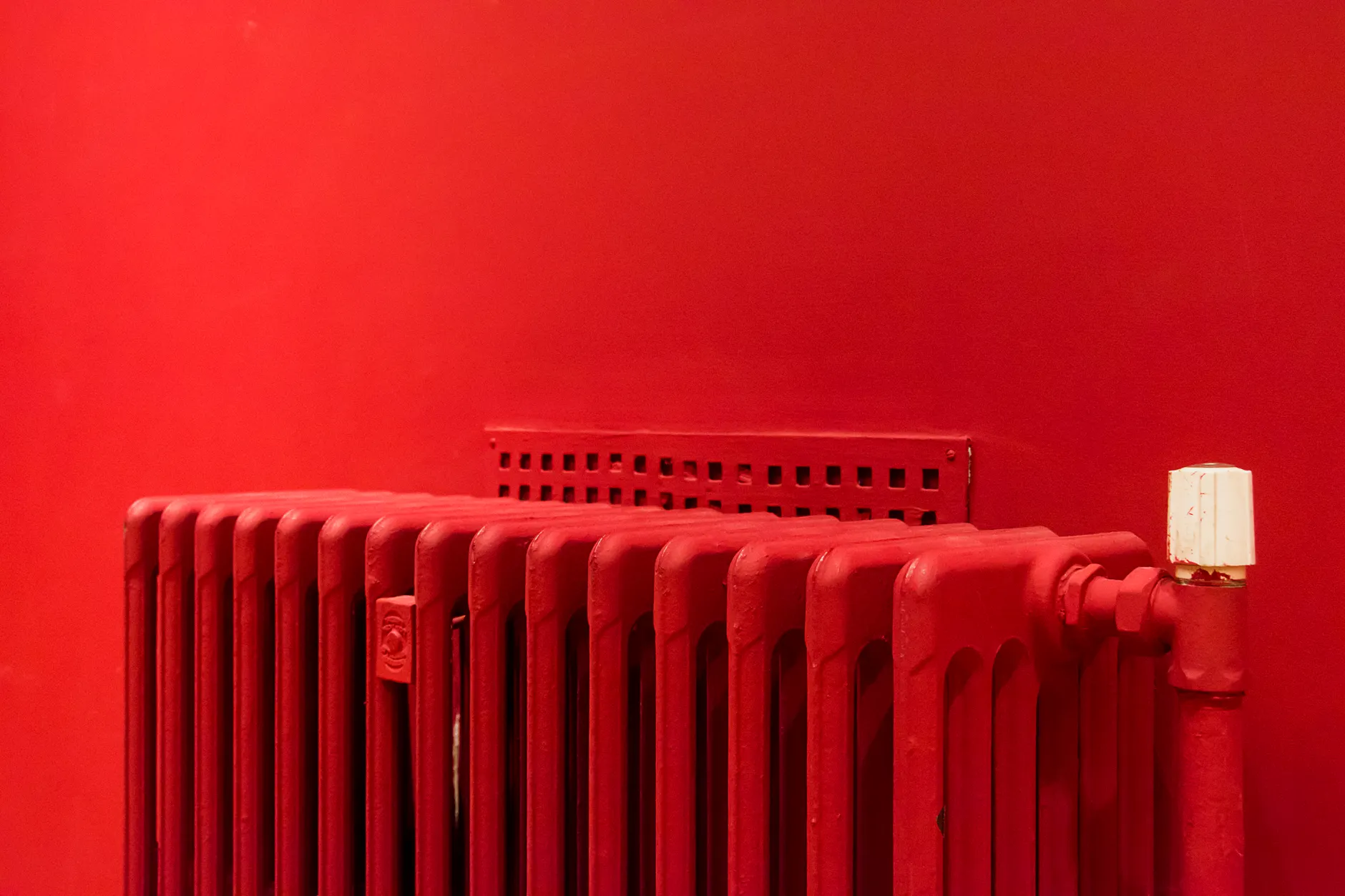
When the boiler fires but the radiators stay cold, the pump may have seized, or a motorised zone valve may be stuck shut. When the heating will not come on at all, it may be a programmer, a thermostat or a wiring fault. The partner tests each in turn, replaces the failed part and re-balances. Upgrading old controls at the same visit can also cut fuel use.
The Benefits
Fixing the Cause Rather Than Bleeding the Symptom
Heating faults recur when the cause is left in place.
Cleansing a Sludged System to BS 7593
A power flush or chemical clean to the British Standard for treatment of heating systems removes the sludge that cuts flow and wears pumps. It is followed by inhibitor, and ideally a magnetic filter to catch what builds up next. Published London ranges for 2026 are roughly £450 to £950, so the partner should test first and quote it separately.
Balancing So Every Room Gets Heat
A system that heats the room nearest the boiler to the point of discomfort and leaves the far bedroom cold is unbalanced. Adjusting the lockshield valves so each radiator receives its share of flow evens out temperatures and often reduces boiler cycling. It is inexpensive and frequently overlooked.
A Quote Showing Parts and Labour
Because the fault could be one of several, the partner should name the diagnosis, the part and the labour in the written quote. If more faults are found as the work proceeds, they should explain them and agree extra work with you first, not simply add it to the bill.
Why Us
Heating Systems in Fulham's Houses, Flats and Blocks
A system is only as good as the building it serves.
Victorian Terraces with Layered Extensions
Fulham's terraces often hold three decades of heating additions, including microbore branches and long single-pipe runs to loft rooms. A partner who recognises the pattern can find the restriction faster. See our Parsons Green and its Lion Houses for the housing context.
Mansion Blocks and Communal Heating
In West Kensington's 1890s mansion blocks, such as Avonmore Gardens (1893) and Glyn Mansions (1897), some flats are on communal heating and the repair route depends on the building's arrangements. We ask which you have, and whether the managing agent controls the plant. Read more on our West Kensington area page.
Cold Snaps and the Frozen Condensate Fault
A frozen condensate pipe can shut down an otherwise healthy system on the coldest night. The partner can thaw and lag it, and check the boiler restarts. If heating has failed in freezing weather, tell us when you call, and we will prioritise the match.
Keeping a Fulham Heating System Healthy
Inhibitor, Filters and the Annual Check
After any repair that opens the system, the partner should top up the inhibitor, the chemical that protects steel radiators and pipes from internal rust. A magnetic filter catches what still circulates, and a yearly check of the inhibitor level, the pressure and the filter keeps problems small. Cleansing and treatment follow BS 7593, and the partner should record what was added.
Radiator Valves, Balancing and Efficiency After a Repair
Once pumps, valves or radiators have been replaced, the system needs rebalancing so every room warms evenly. Thermostatic radiator valves in the rooms you use most, and a manual valve in the hall or bathroom, let the boiler stop heating rooms you do not need. A well-balanced system reaches temperature faster and cycles less, which is gentler on the boiler.
Loft Rooms, Extensions and Undersized Radiators
Loft conversions and rear extensions in Fulham terraces are often heated by radiators on the end of long pipe runs, or by radiators chosen for looks rather than output. A room that never warms up may need a larger radiator, a pipe upgrade or underfloor heating on its own circuit. The partner can quote the options, and tell you honestly whether the boiler can cope with the added load.
The next stop for a persistent fault may be boiler repair service or a new boiler, and a boiler servicing page keeps the whole circuit healthy. For the broader picture see the Fulham homepage or call 07898 117754.
Frequently Asked Questions
Why are my radiators cold at the bottom and hot at the top?
That pattern usually means sludge, a mix of iron oxide and debris, has settled in the bottom of the radiator and is blocking circulation. It tends to build up over years in steel radiators. A partner can often improve it by isolating and flushing the radiator, but if several are affected, a chemical clean or power flush to BS 7593 for the whole system may be the better route. They should test the water to confirm.
How do I bleed a radiator, and when should I call someone?
With the heating off and cooled, use a radiator key at the bleed valve at the top, open it slowly until water appears, and close it. Top up the system pressure afterwards if it is a sealed system. If radiators need bleeding again within a week or two, if the pressure keeps dropping or if the cold spots are at the bottom, bleeding is not the answer and you should book a visit.
How much does a power flush cost in London in 2026?
Published 2026 London ranges put a power flush at about £450 to £620 for six radiators, £580 to £800 for eight and £700 to £950 for ten, depending on the system. A cheaper chemical clean is sometimes enough, particularly when paired with a magnetic filter. The partner should test the system water and explain which they recommend, then give you a written quote.
My boiler is on but the radiators will not heat up. What is wrong?
The usual suspects are a seized or failed pump, a stuck motorised zone valve, an airlock, a blocked circuit or closed valves. If the boiler heats water and the radiators stay cold, the water is not circulating. The partner will check the pump and valves in turn, and may need to drain and refill part of the system. If you have a combi, it may be a diverter valve or a pressure fault as well.
Why is my heating making banging, gurgling or whistling noises?
Gurgling usually means trapped air, which bleeding may cure, while banging and kettling often point to scale or sludge restricting flow through the boiler's heat exchanger. Whistling can be a partly closed valve or too high a flow rate, and clicking pipes are often expansion in tight clips. Thames Water's hard supply, at 266 mg/l in its 2025 report, makes scale a particular suspect in Fulham. A partner can diagnose which it is.
What is a magnetic filter and do I need one?
A magnetic filter is a small chamber fitted to the heating pipework that traps the magnetite sludge circulating in the system, protecting the boiler and pump. It is usually recommended with any new boiler, and especially on older systems with steel radiators. It needs cleaning at each service. A partner can fit one during a repair or a service and quote it separately.
How long should it take to fix a central heating fault?
A bleeding, a valve or a thermostat usually takes an hour or two, while a pump or zone valve may take two to three hours. A power flush normally takes most of a day, and rebalancing an entire system can add an hour or two. The partner will give you an estimate once they have seen the problem, and tell you if a part has to be ordered, with a temporary fix if one is possible.
Can you work on heating in a mansion-block flat on communal heating?
It depends on where the fault sits. If it is within your flat, such as a radiator, valve, thermostat or the flat's own pipework, a partner can usually fix it. If the fault is in the communal plant or risers, the managing agent is responsible and must be told. We ask about the building at the start of the call so that the right partner is sent and you know whom to contact.
Should I replace old radiators or just repair them?
If the radiators are structurally sound and only blocked with sludge, cleansing is usually cheaper than replacement. Replace them if they are corroded through, leaking at the seams, undersized for the room or badly rusted at the bottom. Modern radiators are more efficient, and upgrading to larger or double-panel models in cold rooms can help. The partner can quote both options so you can compare the cost.
Do you cover West Brompton, West Kensington and the rest of Fulham for heating repairs?
Yes. We cover Fulham, Parsons Green, West Kensington, West Brompton, Sands End and Imperial Wharf, and heating partners are matched by location and building type. Each of our area pages describes the typical housing and heating arrangements. Ring with your postcode and tell us whether you have a house, a flat or a mansion-block flat, and we will find the right company.
Cold House? Get the Heating Back On
A partner heating company and a written quote. Call 07898 117754 any hour.
07898 117754